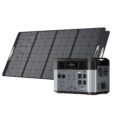
PORTABLE POWER. HOME BACKUP. SOLAR ENERGY.
Clean, quiet battery power from 1,024Wh to 5,120Wh. Keep the fridge running in an outage, power a weekend of camping, or take your RV off-grid. No gas, no exhaust fumes. Follow each model’s manual for safe indoor use.
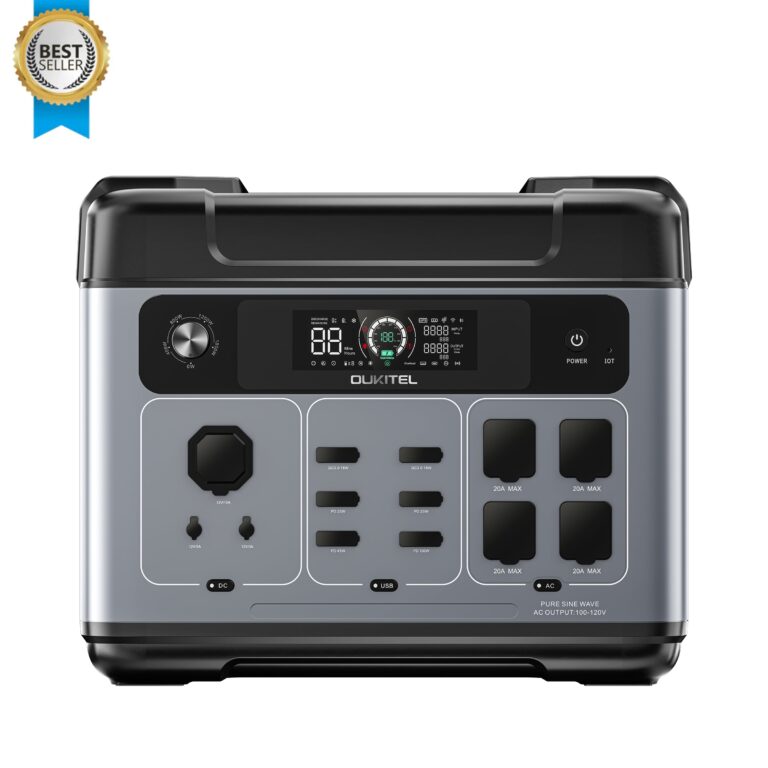
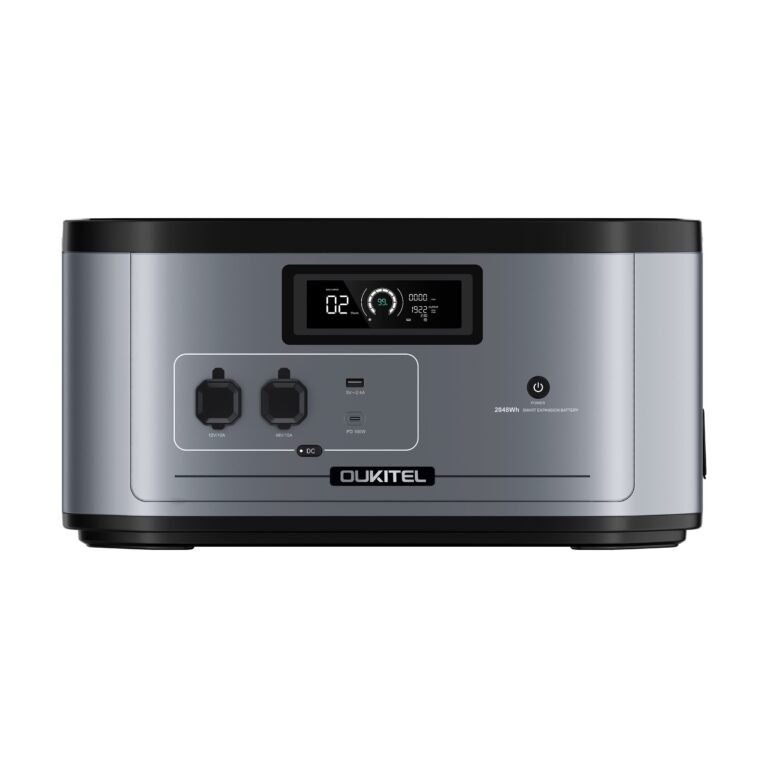
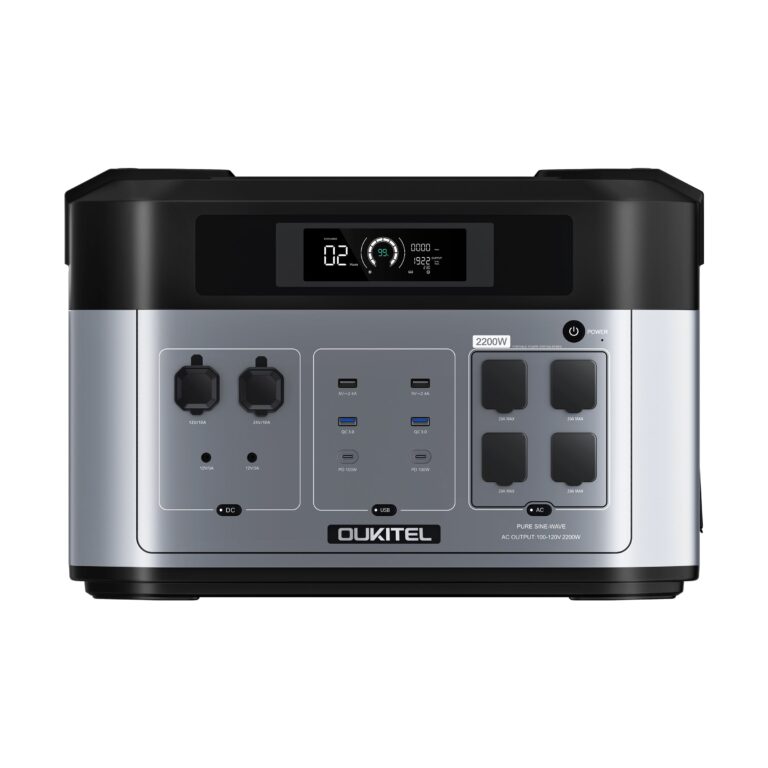
OUKITEL P2001 Plus · 2,048Wh capacity · 2,400W output
LiFePO4 battery options
Rechargeable power for repeated use.
Flexible charging
Compare wall, solar and car inputs by model.
No fuel or exhaust
Battery power for your essentials.
Help choosing
Match capacity and output to your devices.
Store energy in a battery, then use it where you need it. Start with the type of power system that suits your plans.
All-in-one batteries with AC outlets, USB and DC connections. Compare portable units and larger backup systems to find the right fit.
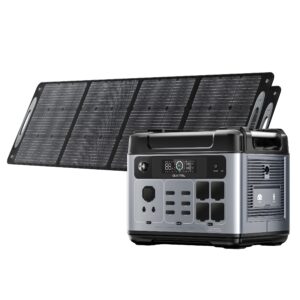
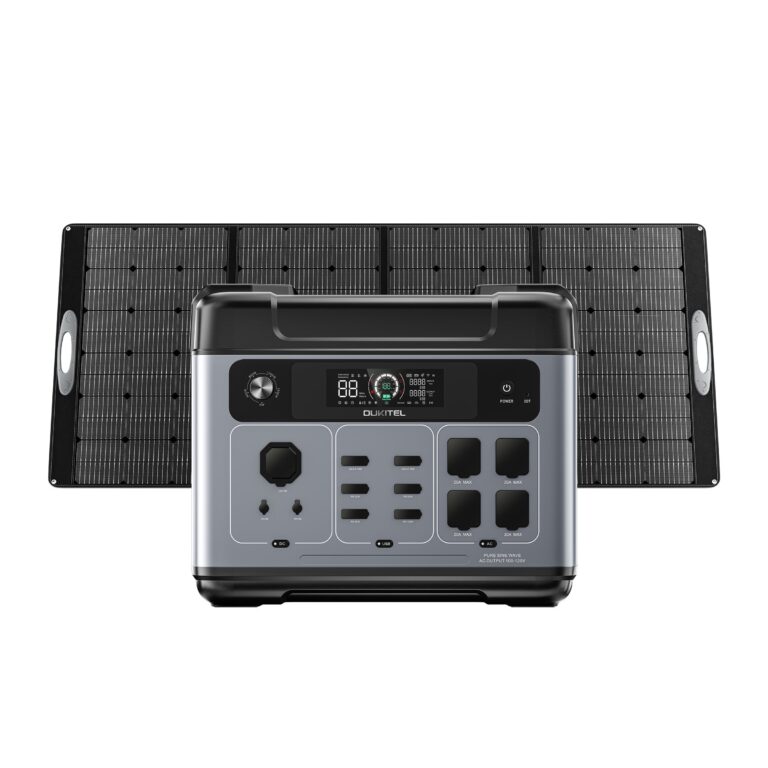
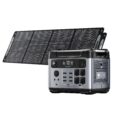
A power station bundled with matching solar panels, so you can recharge from the sun. Check panel input limits and connectors before adding panels.
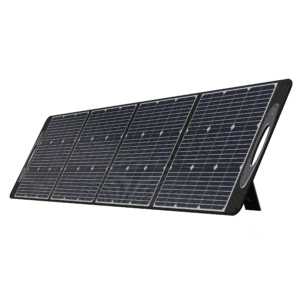
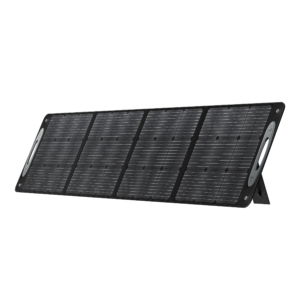
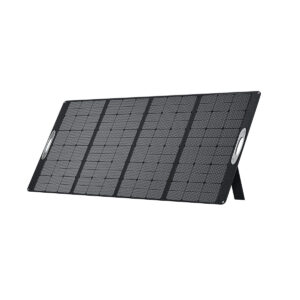
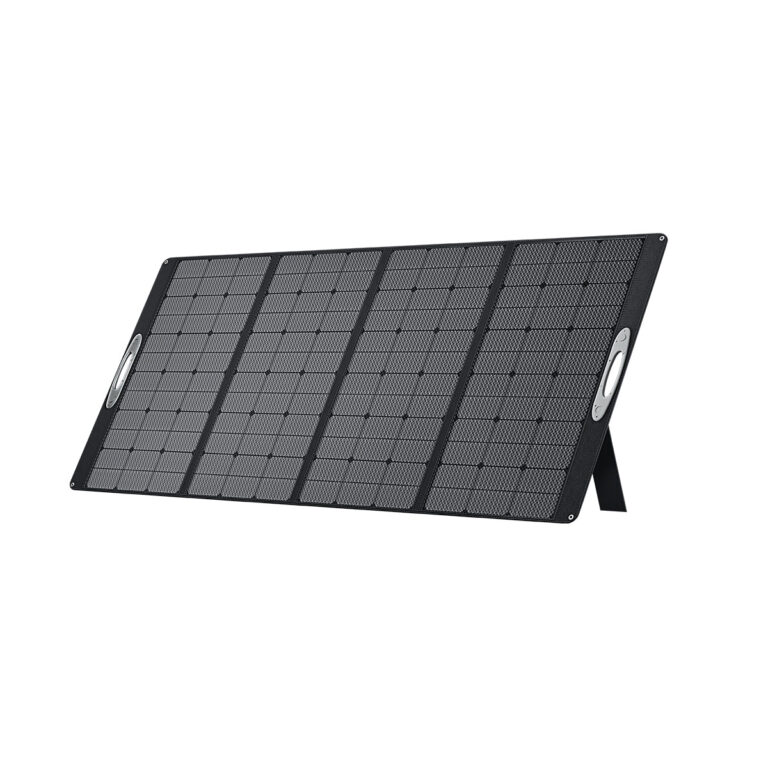
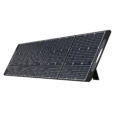
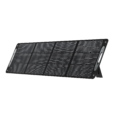
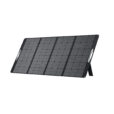
Foldable 100W, 200W and 400W panels for compatible power stations. Choose the panel size that fits your charging needs and available space.
High-capacity systems for outage essentials. Start with the fridge, lights and Wi-Fi, then check the combined running and startup loads.
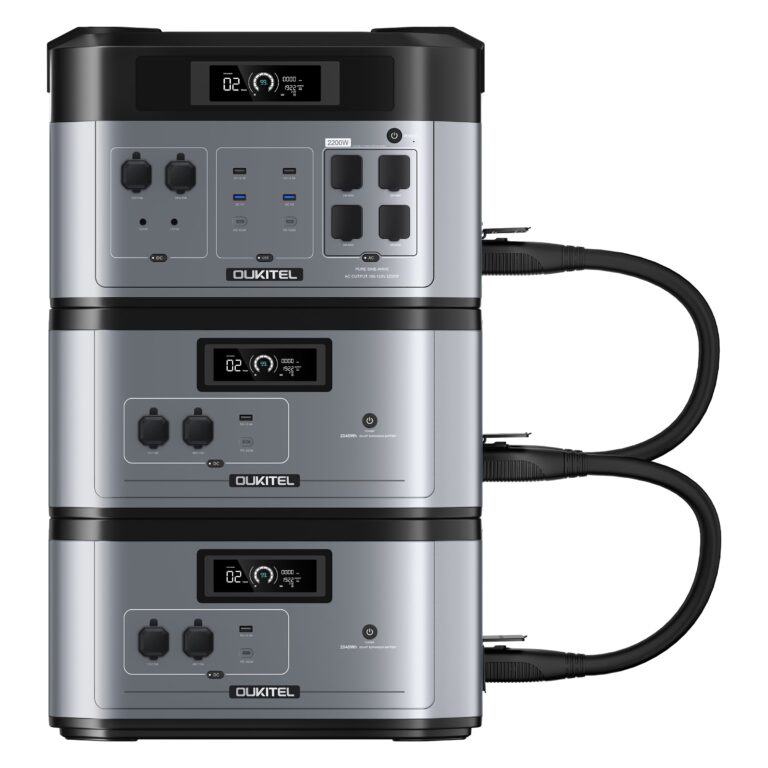
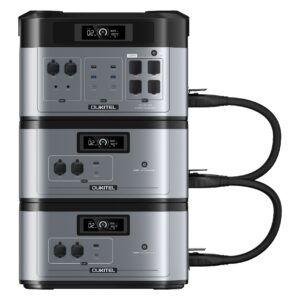
Add capacity to a compatible power station. The B2000 adds 2,048Wh; check your exact model’s compatibility before ordering.
Rechargeable battery power without gas, engine noise or exhaust fumes. Compare capacity, outlets and output for the equipment you plan to run.
Start with the job, then choose the capacity and output to match.
Keep the fridge, lights, Wi-Fi and phones running when the grid goes down. A portable power station can also support camping trips, RV essentials and work away from an outlet.
List the devices you want to keep on, check their running watts and any startup surge, and decide how many hours of backup you need. More battery capacity means longer runtime; more output lets you run larger loads.
Before relying on a power station for a medical device, check the device’s power needs and backup requirements with its manufacturer or your doctor.
Capacity, measured in watt-hours (Wh), helps determine how long your devices run. Start with the devices you want to keep on, then compare models in that size.
| Capacity | OUKITEL models | Fridge (150W) | CPAP (40W) | Router + modem (20W) |
|---|---|---|---|---|
| 1,024Wh | P1000 Plus | ~6 hours | ~22 hours | ~44 hours |
| 2,048Wh | P2001 Plus, BP2000, BP3000 | ~12 hours | ~44 hours | ~87 hours |
| 5,120Wh | P5000 Pro, BP5000 Pro Max | ~29 hours | ~109 hours | ~218 hours |
Estimates use capacity × 85% ÷ constant load in watts. They are calculations, not measured runtimes. Actual runtime depends on appliance cycling, inverter idle use, temperature and settings. CPAP estimates exclude a humidifier and heated hose.
Choose around 1kWh for smaller devices and weekend use, 2kWh for outage essentials, or 5kWh for longer backup. Always check startup surge and the power station’s output rating separately from battery capacity.
A portable power station is a rechargeable battery with a built-in inverter, giving you AC outlets and USB or DC connections away from the grid. Charge it using supported inputs, then use it to run compatible appliances without burning fuel. Pair it with solar panels and it becomes a solar generator that can recharge in suitable sunlight.
How much energy the battery stores. More watt-hours usually means longer runtime at the same load.
How much power it can supply at once. Check both running output and startup surge for motors and tools.
Chemistry affects lifespan and care. Check the model’s battery type and cycle-life rating in its specifications.
Compare supported wall, solar and car inputs. Input limits, panel voltage and connectors must match.
Select systems accept extra batteries. Compatibility is model-specific; an expansion battery is not a universal accessory.
No combustion means no exhaust fumes. Keep the unit dry and ventilated, and follow all manufacturer instructions.
Compare six available models, from a compact camping backup to higher-capacity home systems. Prices and purchase options below come directly from the store.
1,024Wh capacity · 1,800W output
Weekend camping, laptops and small RV loads.
2,048Wh capacity · 2,400W output
Outage essentials, appliances and camping.
2,048Wh capacity · 3,200W output
Higher-output portable power for demanding loads.
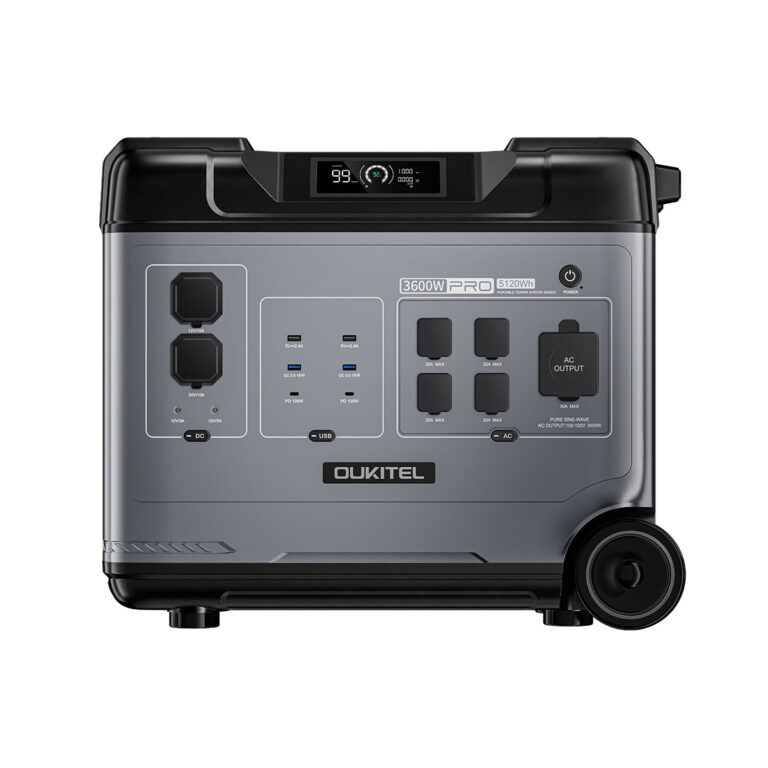
5,120Wh capacity · 5,000W output
High-capacity backup for larger compatible loads.
Compare battery power for your home, your trips and your everyday essentials, with product information and help choosing in one place.
Not sure which size fits? Tell us what you want to run and how long you need it. We can help you compare the available options.
Check delivery information before you order, including the details that apply to your destination and chosen products.
Review the return policy before purchasing. For product-specific warranty questions, contact our team before placing your order.
Runtime depends on both battery capacity and the appliance’s actual power draw. Use the sizing table above as a starting point.
A fridge cycles on and off, a sump or well pump has a startup surge, and a window AC can draw much more power than a router. Check appliance labels and manuals, then allow for inverter losses and the other devices you plan to run at the same time.
Battery storage supplies the energy; the inverter delivers AC power. Match capacity to runtime and output to the load.
A power station plus compatible panels. Daily charging depends on sunlight, panel placement and the station’s input limit.
Compare 100W, 200W and 400W options. Rated output is a peak figure, not a guarantee in every condition.
Start with essential appliances. Connecting a system to home wiring requires approved equipment and a qualified electrician.
Compatible expansion batteries add stored energy. They do not automatically increase a power station’s output rating.
Add up the watts of the devices you want to run and multiply by the hours needed. Allow for inverter losses and extra reserve, then check startup surge separately. Compare the 1,024Wh, 2,048Wh and 5,120Wh options in the sizing table. View the sizing table.
Yes, if its output supports the fridge’s running load and startup surge. At a constant 150W load and 85% inverter efficiency, 2,048Wh gives about 12 hours and 5,120Wh about 29 hours. Real fridge runtime varies with cycling and conditions. Shop home battery backup.
They burn no fuel and produce no combustion exhaust. Follow the manufacturer’s manual, keep vents clear, protect the unit from moisture and heat, and use it only within its ratings. Compare power stations.
Charging options vary by model and may include a wall outlet, compatible solar panels and a car connection. Check input voltage, connector requirements and the manual before charging or combining inputs. Shop portable solar panels.
A solar generator is a power station paired with solar panels. The power station stores and delivers the energy; the panels recharge it from sunlight. Shop solar generator kits.
A larger power station can support selected essential appliances, subject to output, startup demand and runtime. It does not automatically run an entire house. Home wiring connections require approved equipment and a qualified electrician. Explore home backup.
Battery life depends on the model’s chemistry, cycle rating, temperature and use. Check the manufacturer’s cycle-life specification and warranty for the exact unit. Contact us if you need help finding those details. Ask about a model.
Storms, heat waves and grid failures don’t give notice. Find the power station that fits your home, your trips and your budget.