Home › Portable Power Stations
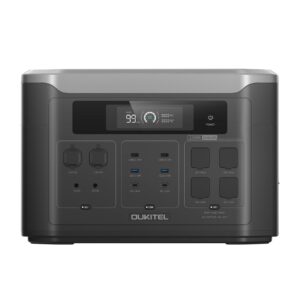
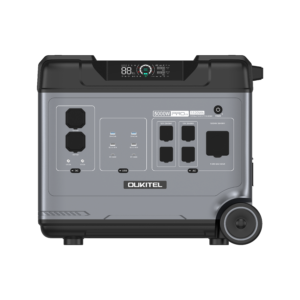
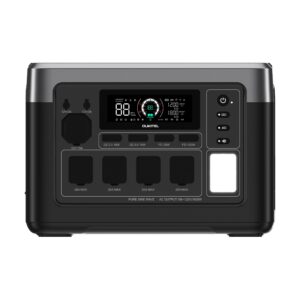
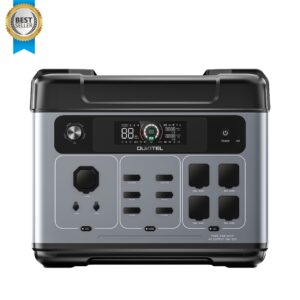
Omyx Tech brings together portable power stations for clean, quiet battery power at home, at the campsite and off the grid. Compare available OUKITEL models from 1,024Wh to 5,120Wh, and match capacity and output to the devices you want to run. Explore supported wall, solar and car charging options on each product page, with no fuel or combustion exhaust during use.
Not sure which size? Start with the sizing guide or ask our team.
Capacity and output are different: watt-hours describe stored energy, while watts describe the load a power station can supply. Compare both before choosing a model. Product prices and purchase options above update from WooCommerce.
Compare the six currently available standalone models. Refrigerator runtimes below use a constant 150W load and 85% inverter efficiency; they are estimates, not measured test results.
| Model | Capacity | AC output | Fridge estimate | Typical use |
|---|---|---|---|---|
| P2001 Plus | 2,048Wh | 2,400W | ~12 hours | Outage essentials and everyday appliances |
| BP2000 | 2,048Wh | 2,200W | ~12 hours | Expandable home backup |
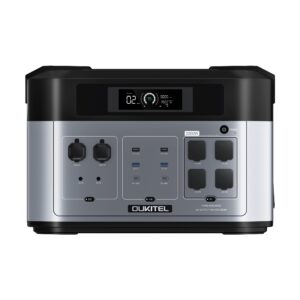
| P1000 Plus | 1,024Wh | 1,800W | ~6 hours | Camping and smaller devices |
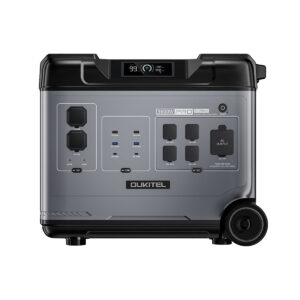
| P5000 Pro | 5,120Wh | 3,600W | ~29 hours | Longer outages and larger loads |
| BP3000 | 2,048Wh | 3,200W | ~12 hours | RV essentials and higher-output loads |
| BP5000 Pro Max | 5,120Wh | 5,000W | ~29 hours | High-capacity, high-output backup |
Actual runtime depends on the appliance’s cycling, startup demand, inverter idle consumption, temperature and settings. A fridge’s average draw can differ substantially from its label rating. Check the product page and appliance manual for your exact setup.
Two numbers decide it: output in watts and capacity in watt-hours. Output must cover everything running at the same time, including startup surges. Capacity helps determine how many hours the battery lasts. Start with your essential devices and build the system around those loads.
The P1000 Plus offers 1,800W output and 1,024Wh storage for phones, laptops, lights and compatible camping equipment. Check individual device loads before planning an overnight or weekend runtime.
The P2001 Plus, BP2000 and BP3000 combine 2,048Wh storage with different output ratings. Choose the output that supports your appliances, and check motor startup requirements before running tools or a refrigerator.
The P5000 Pro and BP5000 Pro Max provide more stored energy for longer outages. Prioritize the fridge, lights and communications. Adding compatible solar panels can replenish energy when suitable sunlight is available.
Quick sizing formula: running watts × hours ÷ 0.85 = estimated watt-hours needed. For example, a steady 150W load for 10 hours needs about 1,765Wh before adding extra reserve. Check the inverter’s running and surge output separately.
Leave room for changes in weather, device settings and additional equipment. Heating appliances and air conditioning can use energy quickly. Connecting any power station to home wiring requires compatible, approved equipment and a qualified electrician; do not feed power into a household outlet.
Start with 2,048Wh–5,120Wh for essential appliances, then calculate your combined load and desired runtime. More devices and longer outages need more energy; output must also cover simultaneous loads and any startup surge.
Camping, RV use and job sites have different demands. List each appliance, its running watts, any startup surge and the hours required. For CPAP or other medical equipment, confirm backup requirements with the device manufacturer or your doctor.
Recharge from a supported AC connection at home before a trip or an expected outage. Charging speed and input settings vary by model. Check the manual for the right supply and any requirements when charging while powering devices.
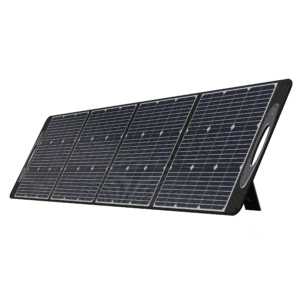
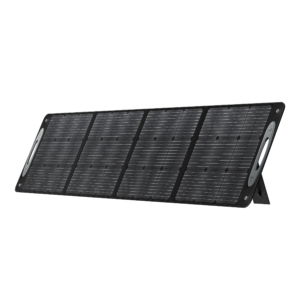
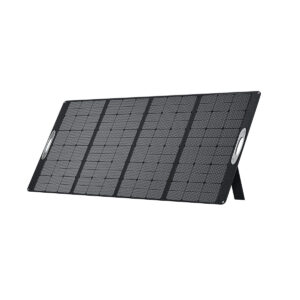
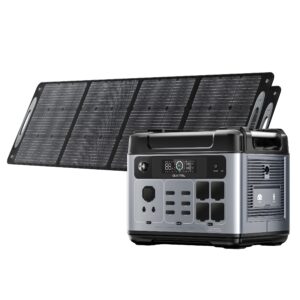
Add compatible portable solar panels or choose a solar generator kit. Check the station’s solar voltage range, connector and maximum input. Daily energy depends on sunlight, shading, panel placement and weather.
Some models support charging from a vehicle connection. Check the exact input requirements and approved cable before use. Car charging is generally a top-up option; do not assume it will refill a large battery during a short drive.
Charging methods and expansion accessories are model-specific. A connector that fits does not guarantee electrical compatibility. Before buying extra panels or batteries, verify the exact power-station model and its supported inputs or expansion system.
For selected essentials, compare a 2,048Wh model such as the BP2000 or P2001 Plus. For longer runtimes, consider the 5,120Wh P5000 Pro. Choose using your actual load, startup surge and desired backup hours.
Among these six listed standalone models, the P1000 Plus has the lowest capacity at 1,024Wh. Check its product page for dimensions and weight before deciding whether it suits your carrying and storage needs.
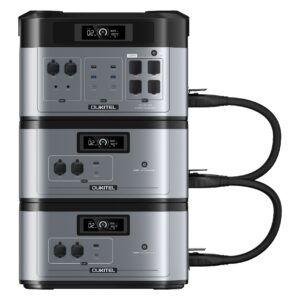
Selected models support compatible expansion batteries. The B2000 expansion battery adds 2,048Wh to supported systems. Check compatibility with your exact model before ordering; not every power station accepts an extra battery.
The listed models offer solar charging options. Check each product’s solar input limits, voltage range and connection requirements, or choose a ready-matched solar generator kit. Real solar output depends on conditions.
Warranty coverage should be checked for the exact product before purchase. Contact our team for the applicable manufacturer and seller warranty details, including claim requirements and any exclusions.
Read our delivery information and return policy before ordering. For a delivery estimate to your address or a question about a specific product, contact our team.
Compare the available models, check your essential loads and choose the capacity you need. If you want a second check before ordering, tell our team what you plan to power and for how long.